

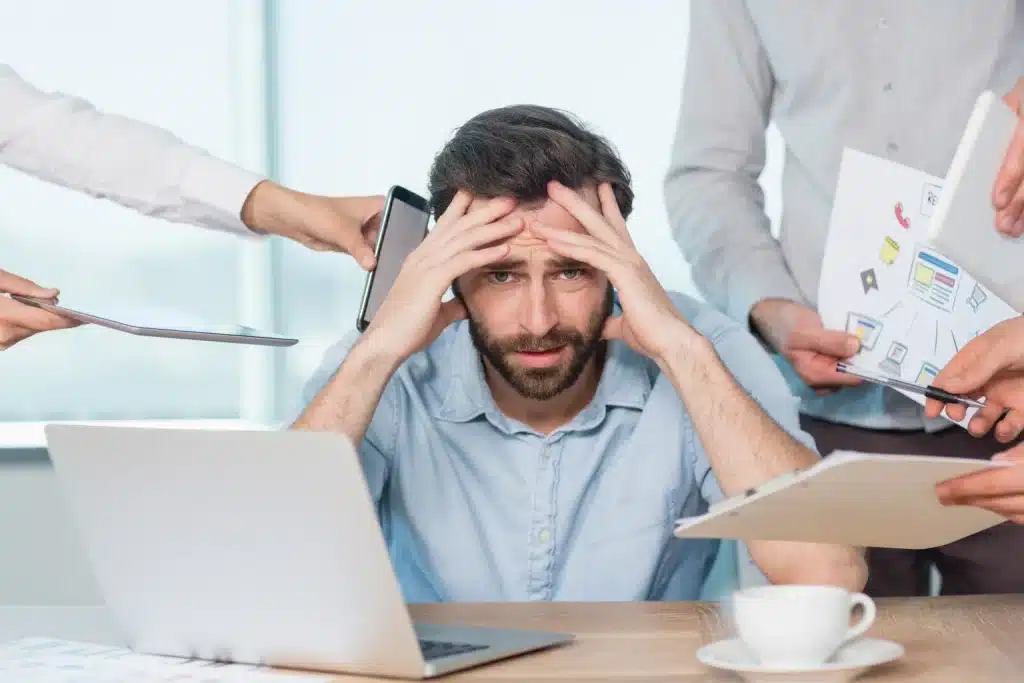
Work stress has a way of building slowly and then arriving all at once. One month, the workload feels heavy but manageable; the next, a person is lying awake at 3 am, running through emails they haven’t sent yet.
Most employees push through this for far longer than they should. There’s a worry that asking for time off makes them look unreliable, or like they can’t cope with a job everyone else seems to manage fine.
This guide covers what happens when stress reaches the point where stepping back becomes the sensible option, how sick notes fit into that, and what workplaces are meant to do to help.
Stress Leave From Work
“Stress leave from work” isn’t a formal legal category in the UK. No law names it, and no HR handbook has a tidy box for it. What people mean by the phrase is time off signed off by a doctor because stress has tipped into something that makes working unsafe or unsustainable for a while.
A GP can sign someone off work the same way they would for a chest infection or a broken wrist. Mental health counts. If a doctor decides a person needs to step back, they issue a fit note (more on those further down) stating the person isn’t fit for work, usually for a set number of weeks.
What Adjustments Can Be Made at Work for Mental Health
When a mental health condition has a substantial and long-term effect on daily life, it can be counted under the Equality Act 2010. That gives the employer a legal duty to make reasonable adjustments so the person can keep working, or return, without being set up to struggle. What counts as reasonable depends on the job and the size of the organisation.
A few that come up often:
- Flexible start and finish times, which help if medication causes morning grogginess or if a rush-hour commute spikes anxiety.
- A phased return after time off, building hours back up over a few weeks rather than jumping straight to full pace.
- A quieter place to work, or noise-cancelling headphones for open-plan offices.
- Lighter or rearranged workloads for a while, with deadlines moved where the work allows.
- More regular check-ins with a manager, or fewer, depending on which the person finds helpful.
The point is that adjustments are worked out between a person and their employer, often with a fit note to guide the way. A doctor can tick “may be fit for work” on that note and suggest changes, which hands a manager something real to respond to. Hola Health’s doctors can issue a work adjustment letter outlining what someone needs.
How to Get a Sick Note for Stress
Here’s the rule that trips people up: for the first seven days off, nobody needs a sick note at all. Self-certification covers it. A person tells their employer they’re unwell, fills in whatever form the employer uses, and that’s enough. Those seven are calendar days, by the way, not working days, so a Friday off that rolls into the following week clocks up faster than people expect.
From day 8, a fit note is required if someone is staying off work. It comes from a GP, but not only a GP. Nurses, pharmacists, physiotherapists and occupational therapists can all issue them now.
Getting one for stress works the same as for anything else. The doctor asks about symptoms, how long things have been going on, and how sleep and daily functioning are holding up. Honesty helps here. Playing it down to seem stoic often means walking away without the note that would have let them rest.
An online sick note via a video consultation is available. Hola Health connects people with GMC-registered GPs, usually within minutes, and delivers the note to the patient’s inbox if the doctor decides it’s appropriate. One thing worth being straight about: no doctor, online or in person, will rubber-stamp a note on request. They issue one when the clinical picture supports it.
Things Worth Knowing
- Fit notes can be backdated. A doctor can date it to when the problem started, so a delay in getting seen doesn’t leave a hole in the paperwork.
- Nobody has to wait for a note to expire before going back. If someone feels ready sooner, they can return early, though a quick word with the manager first saves confusion.
- A fit note doesn’t hand over a full medical history. It can say “stress” or “low mood” and leave it there. An employer isn’t owed the details.
- Being signed off is not grounds for dismissal on its own, and where a mental health condition meets the disability threshold, the Equality Act applies.
- Two periods of sickness within eight weeks of each other count as linked, so they share the same 28-week SSP window rather than resetting it.
Where Hola Health Fits In
Reaching out for help with work stress is hard enough without a fortnight’s wait for a GP slot standing between a person and the rest they already need.
A short video consultation with a GMC-registered GP can lead to a sick note or a work adjustment letter, sent straight to an inbox, often within minutes. For stress, burnout, or anything sitting under the mental wellbeing umbrella, that speed matters when someone’s already running low.
There’s no waiting room and no reception queue to sit through while not feeling your best. Just a doctor who listens and, where it’s clinically right, the paperwork that lets someone take the time they need to recover. Anyone weighing up time off can start with an online consultation and take it from there.